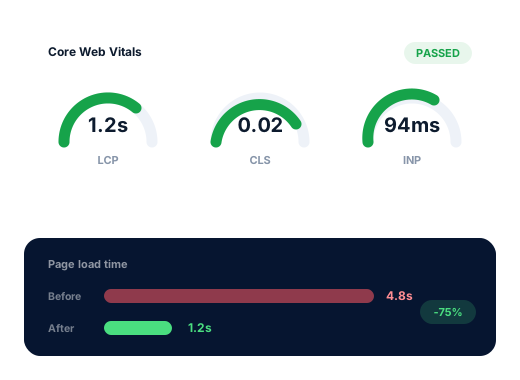
Largest Contentful Paint (LCP)
LoadingHow long until the main element on screen, usually the top photo or headline, has appeared. Good means 2.5 seconds or less. Menu photos and listing images are, in fact, the usual culprits.

Speed Optimization
Speed optimization for Glendale sites that lean on menus, listings, galleries and booking tools. We measure each page the way customers open it, because most open it on a phone, on the move and often on mobile data.
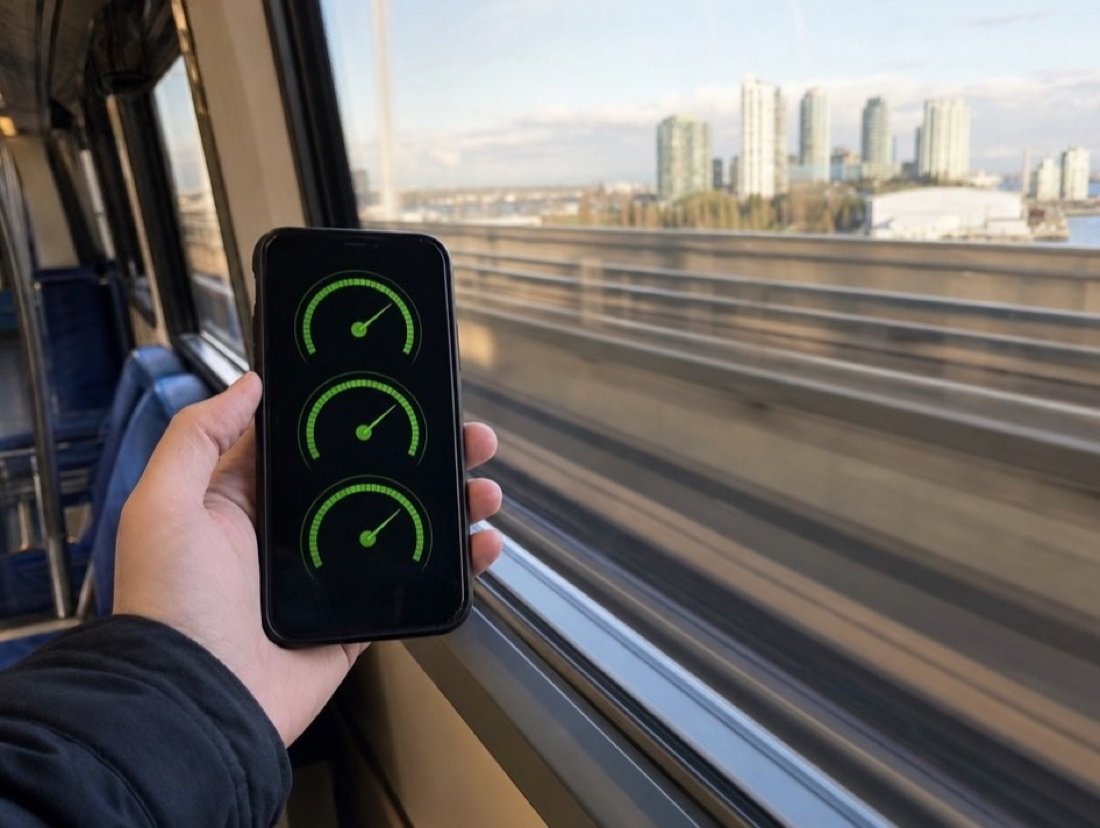
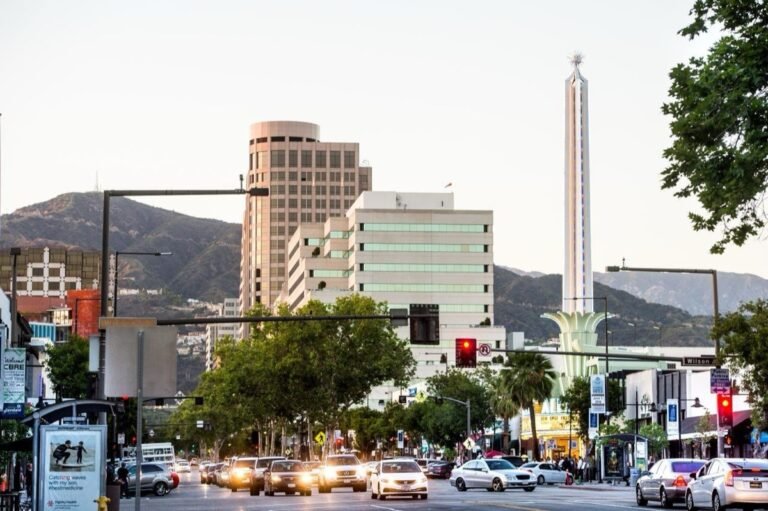
Picture where Glendale’s searches happen. Someone between stores types “glendale galleria food court”; a commuter on the train looks up “glendale ca studio apartments for rent”; a parent outside school checks “urgent care glendale ca open now”. Nearly all of it happens on a phone, and much of it on mobile data rather than home wifi.
The pages those searches open are often the heaviest a local business has, such as a restaurant menu uploaded as a stack of large photos, an apartment listing with forty images, a banquet hall gallery or a salon price list saved as a picture. On an office computer they look fine. On a phone, however, they can take long enough that the visitor goes back and picks the next result.
Speed also shapes how Google sees the page. Its page experience signals draw on loading data from real Chrome visits, so a slow site pays twice: fewer people wait for it, and Google has a little less reason to show it. Still, the cure is rarely fewer photos. Instead, speed optimization means the right size, the right format and the right loading order, and if your site has language versions, each of them gets the same treatment.
Search demand
Collected from Google with US settings in October 2026. No one in Glendale types anything about page speed. These are what they type instead, and each opens the most image-laden page a local business owns, usually on a phone.
Weight, not quantity, is the problem. A menu photo straight off a phone camera can be several times larger than the space it fills. We resize each image to that space, convert it to WebP or AVIF, let the first one load ahead of everything else and leave the rest until someone scrolls. Work starts on the pages that bring customers, such as the menu, the listings or the gallery, and stops when real-visitor data passes, not when a lab tool shows 100.
Where the time goes
Slow sites usually suffer from more than one of these at once.
A restaurant or bakery menu photographed page by page and uploaded as large images: heavy to load, hard to read on a phone and invisible to search. Instead, a text menu with a few good photos fixes all three.
An apartment or home listing that downloads forty full-size photos before showing the first. Loading the first image quickly and the others on demand therefore cuts the wait.
A professional photo several thousand pixels wide squeezed into a box a few hundred pixels across. So resizing it and switching to a modern format removes most of the weight.
Chat bubbles, review widgets, booking tools, several analytics tags and a font or two, all loading on every page. Some can wait, while others can go.
Some budget hosting makes every visitor wait before the first byte arrives. Good caching hides part of that delay; when it cannot, we will tell you a move is worth it and help with it.
Google’s three measures
The numbers come from Chrome users who opted to share usage data, pooled over a rolling 28 days. A measure passes once three visits in four hit its target, and Google Search Central’s Core Web Vitals notes set out each threshold. So for a Glendale bakery or banquet hall, we look at the menu and gallery pages first.
How long until the main element on screen, usually the top photo or headline, has appeared. Good means 2.5 seconds or less. Menu photos and listing images are, in fact, the usual culprits.
How quickly the page reacts to a tap, for instance opening a menu section or switching language. Good means 200 milliseconds or less. Chat widgets, carousels and piles of tracking tags drag it down.
How much the page jumps while it fills in, which is what makes a visitor hit the wrong button when a late banner pushes everything down. Good means below 0.1. Reserving space for images, banners and booking boxes keeps things still.
The work
Mobile scores, real-visitor data and page weights recorded for your busiest pages before anything is changed.
Each photo resized to its on-screen width and compressed, then served as WebP or AVIF where the browser supports it. Photos lower down wait until the visitor scrolls close.
Image-only menus and price lists rebuilt as real text, so they load at once, read well on a phone and show up in Google.
Widgets and tags delayed until the page is usable, duplicates removed and plugins that do nothing uninstalled.
Page caching tuned to your particular host, browser caching for repeat visits, and a CDN only if your traffic justifies one.
A re-test the day changes go live, then a second look a month on, when Chrome’s field numbers reflect the new pages.
Done carefully
The rules we follow for every Glendale client, written down so you can hold us to them.
A fast page stops people leaving early. Whether they then choose you still rests on your reviews, your prices and what the page says.
Google counts page experience among a long list of signals, and we describe it in exactly those terms. Once your pages pass, we call the work finished and say plainly if your budget would now go further on content or on your map listing. Speed optimization is a single, fixed-price job, and we set the price after auditing the site.
Ask us about your business
How we work
Whether you run a bakery or a law office in Glendale, the work follows this order.
A look at your site, your map listing and where you rank when searched from downtown, the south side and up near the Verdugos.
Shortlist the phrases that bring paying customers, then match every phrase to one dedicated page.
Edits go live in order of likely payoff, so the changes most able to lift calls happen first.
A short monthly note on leads and rankings, with the plan for the month ahead.
Questions
Paste your home page and your busiest page into Google’s free PageSpeed Insights, then check the mobile tab and its real-visitor field data. Afterward, turn off wifi, close every tab and load the site as a stranger in a parking lot would.
For speed, yes, and for search as well. Large menu images load slowly and are hard to read on a small screen, while Google cannot read the dishes or prices inside them. In contrast, a text menu with a few good food photos is lighter and easier to find.
Speed can tip a close contest, but it rarely lifts a weak page past a strong one. Its bigger payoff is behavior, since more of the people who click stay long enough to call, email or book.
They share the same theme and images, so most fixes carry over on their own. We still test each language version, because a different font or a longer menu can change the result.
Most small sites need one to two weeks of work. Google’s field data is a rolling 28-day window, so its report shows the gain about a month after launch, while our own before-and-after tests show it at once.
Speed optimization is a one-time fixed price, set after an audit finds the causes. Keeping the site quick afterward is part of routine care in every monthly plan: $250 Starter, $350 Growth or $550 Pro, in US dollars.
Further reading
Blog posts that take this topic further for Glendale business owners.
Each service can be hired on its own, and plenty of Glendale clients start with one.
Customers in each field search differently, so each of these pages has its own research.
See, at no cost, where you rank between downtown and Montrose, who sits ahead, and what to fix before anything else.
Send me the free audit